

Cottage Cheese Coffee: The High-Protein Brew TikTok Can't Stop Talking About
There are some coffee trends you see online and immediately understand. Cold brew? Sure. Espresso tonic? Strange, but refreshing. Whipped coffee? We survived it.
Then there’s cottage cheese coffee.
At first glance, it sounds like something invented during a refrigerator clean-out at 6:47 a.m. But in 2026, blended cottage cheese has become one of TikTok’s favorite ways to add protein and creamy texture to everything from ice cream to dips, and now, apparently, coffee.
As coffee people, we had questions. Is it actually good? Does it taste like dairy aisle regret? And why does every viral recipe eventually involve a blender?
We decided to investigate. The short answer: cottage cheese coffee is worth trying, especially if you like creamy iced drinks, high-protein breakfasts, and a little sweet heat. The longer answer requires a few caveats, a decent blender, and coffee strong enough to hold its ground.
What Is Cottage Cheese Coffee?
Cottage cheese coffee is an iced espresso or strong coffee drink topped with, or blended together with, a smooth cottage cheese mixture.
The basic formula is simple:
- Espresso or concentrated brewed coffee
- Ice
- Blended cottage cheese
- A splash of milk or milk alternative
- Sweetener, vanilla, or another flavor addition
- Optional “swicy” seasoning, such as hot honey or chili
The cottage cheese is not meant to stay lumpy. That is the whole point. Blend it thoroughly and the curds become a thick, creamy mixture that can resemble cold foam, a protein shake, or a light milkshake depending on how much liquid you add.
It’s part coffee hack, part breakfast shortcut, and part proof that the internet will put almost anything in a blender if the protein numbers look good.
Why Is Everyone Putting Cottage Cheese in Coffee?
The cottage cheese comeback has been building for a while. Once considered old-fashioned diet food, cottage cheese has been repositioned as a versatile, high-protein ingredient for a new generation of home cooks.
According to CNN’s reporting on cottage cheese’s TikTok resurgence, U.S. cottage cheese sales rose sharply as consumers searched for foods that were high in protein and relatively low in sugar. Social media helped turn the ingredient from “something in a diner side dish” into a base for blended desserts, dips, baked goods, and smoothies.
Coffee was the inevitable next step.
A half-cup serving of cottage cheese can provide roughly 12–14 grams of protein, although the exact amount depends on the brand and variety. That is considerably more than you’ll find in a splash of ordinary milk. Add it to an iced coffee and you have a drink that feels more substantial than your standard afternoon caffeine delivery system.
But protein is only part of the appeal. Blended cottage cheese also contributes:
- A thick, creamy body
- A mild tang that can balance bitter coffee
- A cold-foam-like texture
- More staying power than black coffee alone
And then there’s the “swicy” element: sweet plus spicy. Hot honey, chili flakes, cayenne, or a very small amount of chili crisp can give the drink a dessert-like edge without making it taste like a novelty stunt.
How to Make Cottage Cheese Coffee
This recipe makes one large iced coffee. Consider it a starting point, not a commandment. Coffee is personal. So is cottage cheese.
Ingredients
- 1–2 shots of espresso, cooled slightly
or ½–¾ cup very strong brewed coffee - ½ cup cottage cheese
- ¼ cup milk or unsweetened milk alternative
- 1–2 teaspoons maple syrup, honey, or your preferred sweetener
- ½ teaspoon vanilla extract, optional
- Ice
- 1 teaspoon hot honey, optional
- A small pinch of chili flakes or cayenne, optional
For the coffee base, use something with enough body to stand up to ice and dairy. An organic whole bean coffee with a balanced roast profile is a good choice because grinding fresh gives you more aroma and control over the final cup.
A medium roast is especially friendly here. Chocolate, caramel, and toffee notes tend to pair well with the tang of cottage cheese and the sweetness of hot honey. If you prefer darker coffee, a smooth dark roast can work too, just avoid anything so smoky or bitter that it overwhelms the foam.

Instructions
-
Brew the coffee.
Pull your espresso or brew a small, strong batch of coffee. Let it cool for a minute or two. Pouring very hot coffee over ice creates unnecessary dilution, and nobody needs watery protein coffee. -
Blend the cottage cheese mixture.
Add the cottage cheese, milk, sweetener, vanilla, and, if you’re feeling adventurous, the hot honey and chili to a blender. Blend until completely smooth.Give it more time than you think it needs. Cottage cheese begins with a distinctly curdled texture, but patience transforms it into something surprisingly creamy. If the mixture is too thick, add another splash of milk.
-
Fill a glass with ice.
Use plenty of ice. The drink is best cold, and the ice helps create the contrast between the dark coffee and the pale foam. -
Add the coffee.
Pour the cooled espresso or strong coffee over the ice. -
Top with the cottage cheese foam.
Spoon the blended mixture over the coffee or pour it in and give the drink a gentle stir. Finish with another thread of hot honey or the tiniest pinch of chili flakes if you want the full swicy experience.
If you want to make it more like a protein shake, blend the coffee, ice, cottage cheese, and milk together. If you want a more traditional iced latte experience, keep the coffee and foam layered.
What Does It Taste Like?
The first sip is less weird than expected.
The cottage cheese adds body and a mild dairy tang, but it should not taste like you dropped a scoop of curds into a latte. Blending is non-negotiable. With vanilla and sweetener, the foam lands somewhere between a thick cream topping and a lightly tangy cheesecake filling.
Coffee’s bitterness keeps the drink from becoming overly sweet. Hot honey adds a rounded sweetness, while chili brings a gentle warmth at the finish. It’s not “spicy coffee” in the way a bowl of chili is spicy. Think more along the lines of salted caramel with a little red pepper.
The result is rich, cold, creamy, and surprisingly filling.
That said, texture-sensitive drinkers may still notice a faint tang or dairy thickness. This is not a transparent oat milk latte pretending to be nothing but coffee. It has a personality. The drink announces itself.
Which Coffee Works Best?
The coffee matters more than the trend videos suggest.
Cottage cheese foam is rich and slightly tangy, so delicate coffee can disappear underneath it. Choose a brew with body and clear flavor. A medium roast with chocolate, caramel, or nutty notes is a reliable place to start.
The Chronicler · Medium Roast from Gods Favorite Coffee is a natural match for this style of drink. Its tasting notes include toffee, dark chocolate, and citrus, enough sweetness and structure to work with creamy foam without turning the cup heavy.
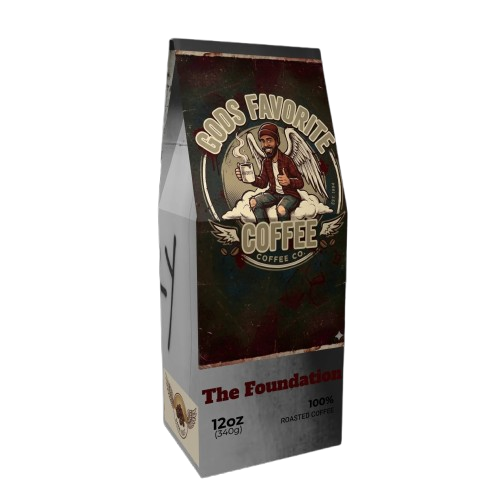
For a bolder version, try The Foundation · Dark Roast. Its baker’s chocolate and caramelized sugar notes can make the drink taste closer to an iced mocha, especially with vanilla and hot honey.
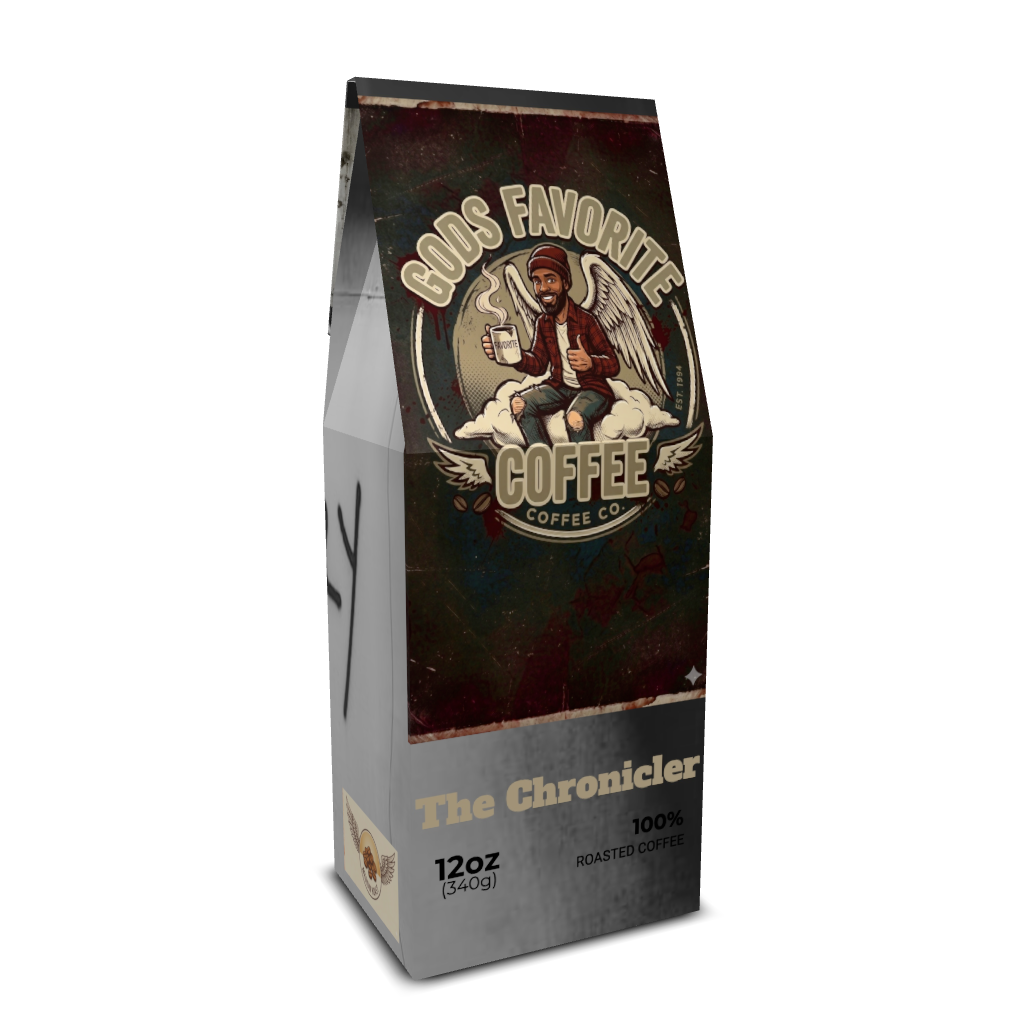
Freshness also matters. Gods Favorite Coffee describes its roasts as roasted to order, which is exactly the kind of detail that helps when you’re building a drink around a small number of ingredients. When the coffee has real character, the cottage cheese becomes a supporting player instead of a disguise for a mediocre brew.
For more iced-coffee technique, see the Gods Favorite five-minute iced coffee method, which uses a concentrated brew and flash-chilling to protect flavor.
Is Cottage Cheese Coffee Actually Worth Trying?
Here is the honest Gen X verdict: yes, once.
We are skeptical of any recipe that requires three appliances, seven “must-have” powders, and a video caption insisting it tastes exactly like dessert. But cottage cheese coffee is not a total gimmick. The method makes sense. Blending improves the texture, protein makes the drink more substantial, and the mild dairy tang can work with coffee.
The swicy version is especially interesting if you already enjoy hot honey on pizza, chili chocolate, or salted caramel desserts. If that combination sounds horrifying, start with vanilla and maple syrup. There is no prize for making your morning coffee aggressively difficult.
A few practical notes:
- Use a high-powered blender if possible.
- Blend until smooth, or don’t bother.
- Start with less cottage cheese and increase it next time.
- Taste the foam before adding it to the coffee.
- Keep the drink refrigerated and consume it promptly.
- Check nutrition labels, especially if you are tracking protein, sugar, sodium, or calories.
- If you have a dairy allergy or intolerance, this one is not for you.
The Bigger Idea Behind the Trend
Cottage cheese coffee is not going to replace a beautifully brewed black coffee. It shouldn’t. Some mornings call for a clean cup and five quiet minutes. Other mornings call for caffeine, breakfast, and a blender doing something suspicious on the counter.
That’s what makes the trend interesting. It treats coffee as a foundation for experimentation rather than a fixed ritual. The rules are still there: fresh beans, thoughtful brewing, good balance: but there is room to play.
At Gods Favorite Coffee, we believe the ritual matters. We also believe rituals are allowed to evolve. Try the classic cup. Try the iced version. Try the cottage cheese foam if curiosity wins.
Life is too short for bad coffee, but it is also too short to be afraid of one strange recipe.
Cottage cheese coffee may not become your daily drink. It might become your Saturday experiment, your post-workout pick-me-up, or the recipe you make once just to prove you were willing.
And honestly? That is enough.